
Inside Pixar: The Cinematographer’s Eye in Animation
A visit to Pixar and a conversation with cinematographer Arjun Rihan on how animated films use the same visual techniques as live action: lens choices, strategic use of depth of field, “gel” options, and the engineering of emotion the use of light.
Inside Pixar: The Cinematographer’s Eye in Animation
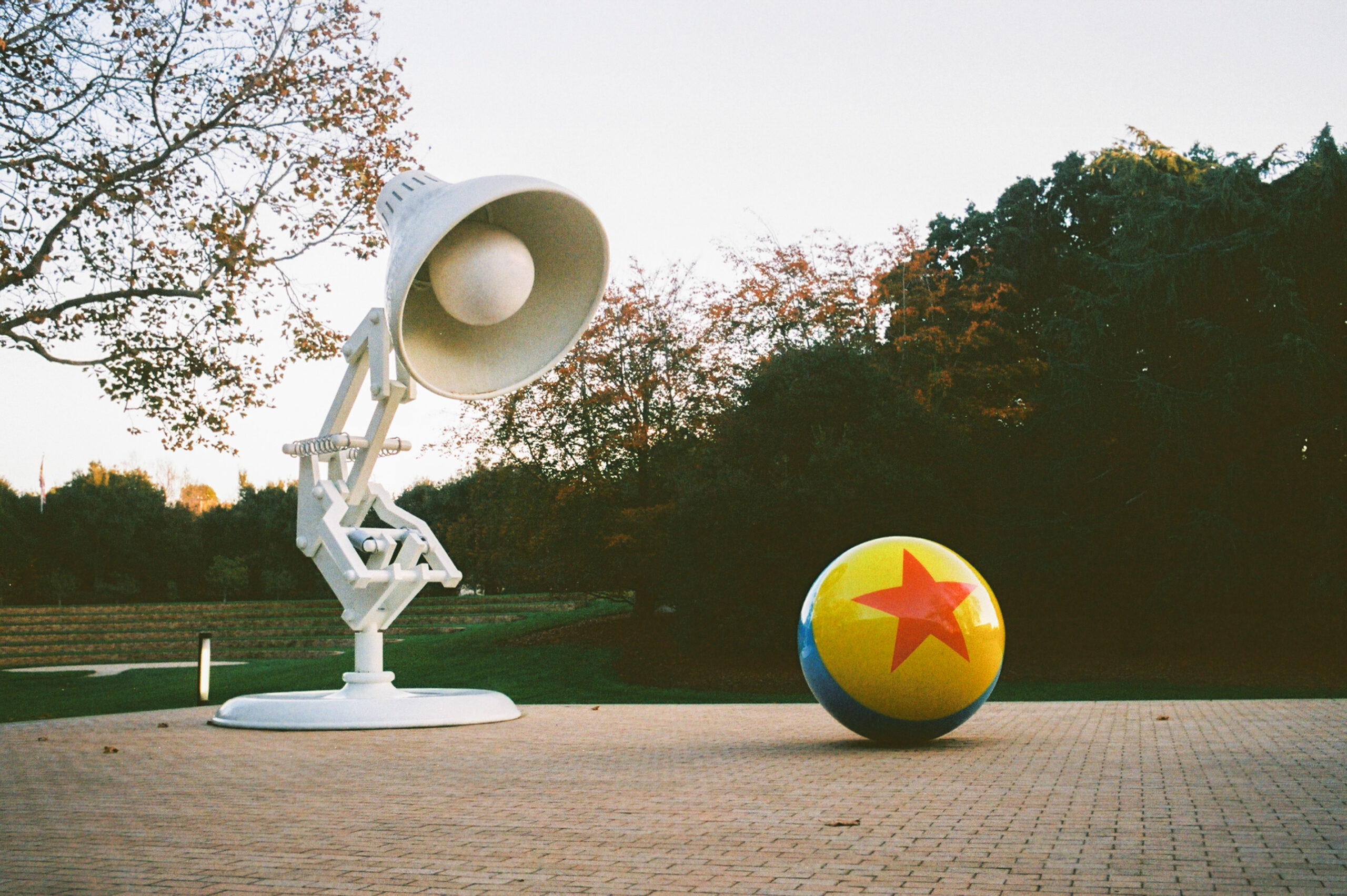
A Building Designed Like a Camera Move
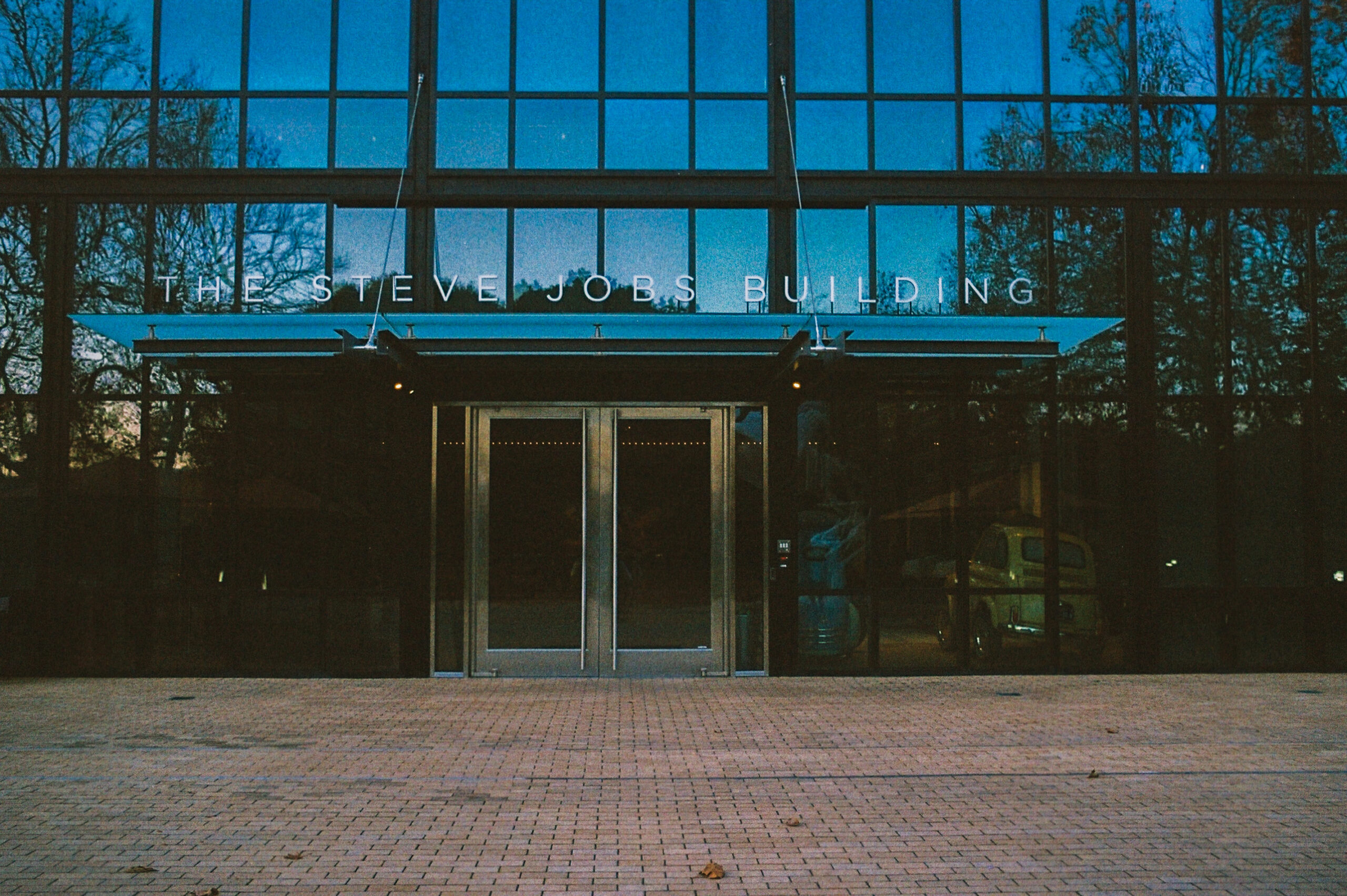
Walking into Pixar, you feel something that’s hard to describe if you’ve only seen the movies: the studio itself is built like a piece of visual storytelling. Lines, corridors, open sightlines, and the constant sense of people crossing paths. There’s a widely repeated idea that Steve Jobs wanted the architecture to force collisions between departments — that proximity would become a creative tool.
That concept rhymes with a cinematographic principle: meaning changes as perspective shifts. Parallax — the way foreground and background separate as the camera moves — is not only a technical cue for depth. It’s emotional. It’s the feeling that a world is dimensional, inhabited, real.
Seeing in 2D, Thinking in 3D
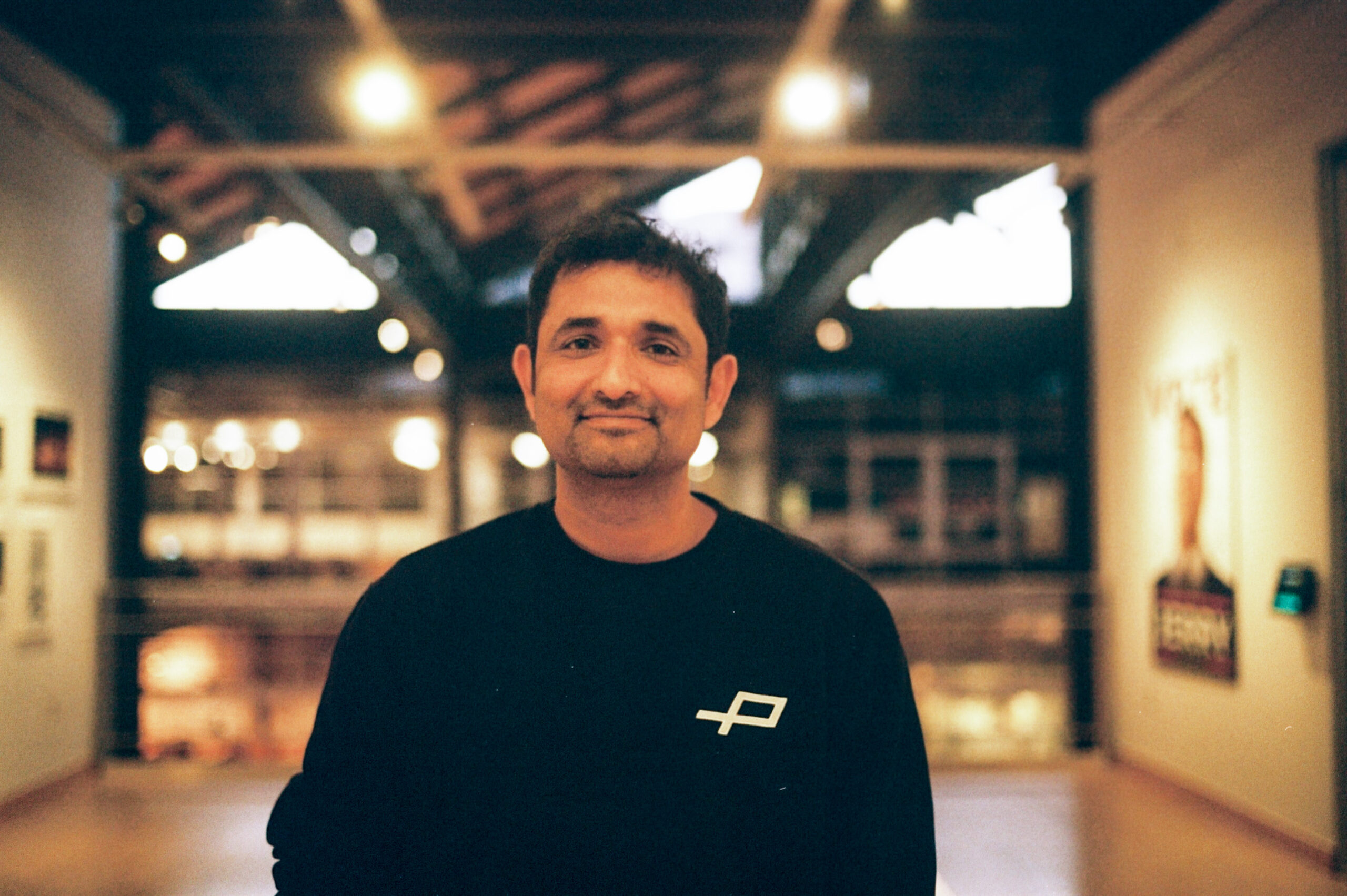
In my conversation with cinematographer Arjun Rihan, we discussed how many animators begin with a 2D intuition — silhouette, gesture, composition. The cinematographer’s contribution is often to translate that into volumetric 3D space: camera height & movement, lighting choices, depth-of-field perspective, lens choices, and determining the spatial ways that the characters “live” in an environment.
The rules don’t change. Blocking is still blocking. Lens choice still carries psychological weight. The difference is that the “camera” isn’t bound by physics and that makes taste even more crucial.
From Wireframes to Digital Worlds
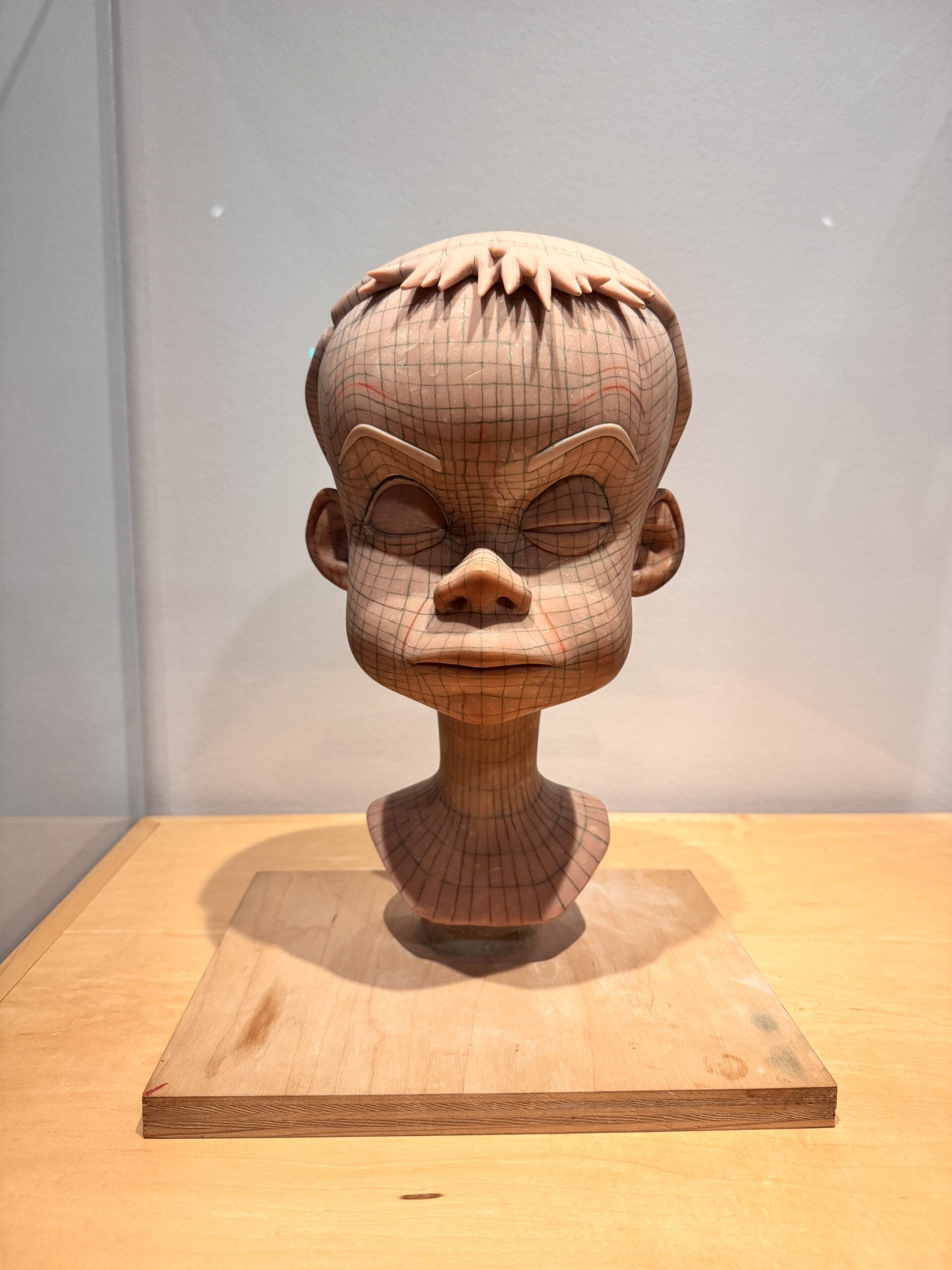
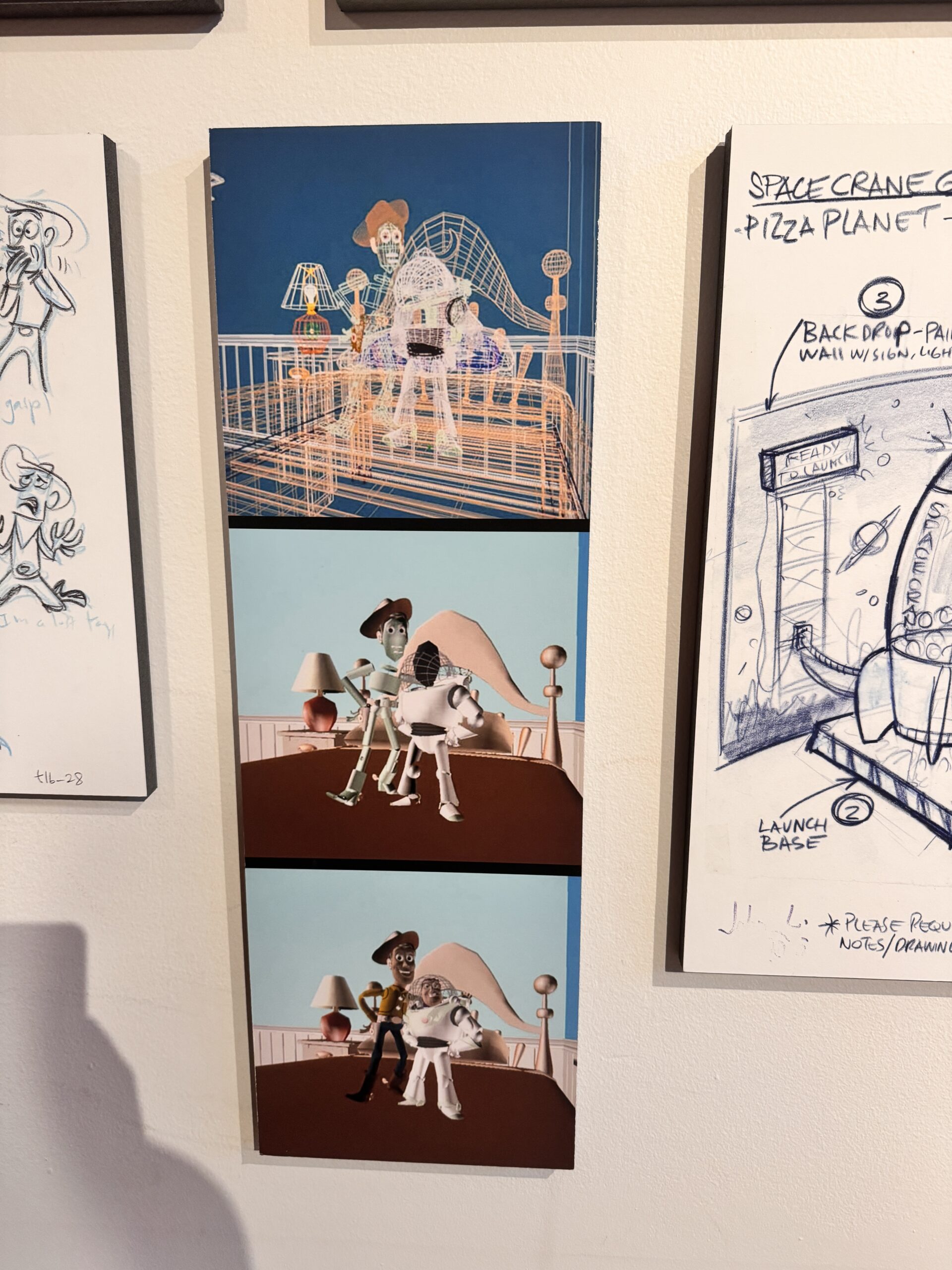
Pixar’s early filmmaking process was built on fundamentals that now feel tedious and out dated. Characters began as simple wireframe models that were based off real life sculptures that were designed to define shape and movement before surface detail existed. Animators relied heavily on keyframe logic, individually entering in each key frame of a characters features using a stylus and then carefully blocking performances the same way a stop-motion animator might work. To ground those digital poses in reality, physical sculptures of the characters were often created and studied, allowing artists to understand weight and balance before committing anything to the computer. Lighting tools were limited, and effects like depth of field were not easily achievable or renderable. In the original Toy Story, nearly everything appears in focus—not as a stylistic choice, but because the technology to selectively blur space simply wasn’t there yet. What emerges from those limitations is something akin to early cinema: flat at times, experimental, but driven by invention, patience, and a deep understanding of performance.
The Film That Almost Disappeared
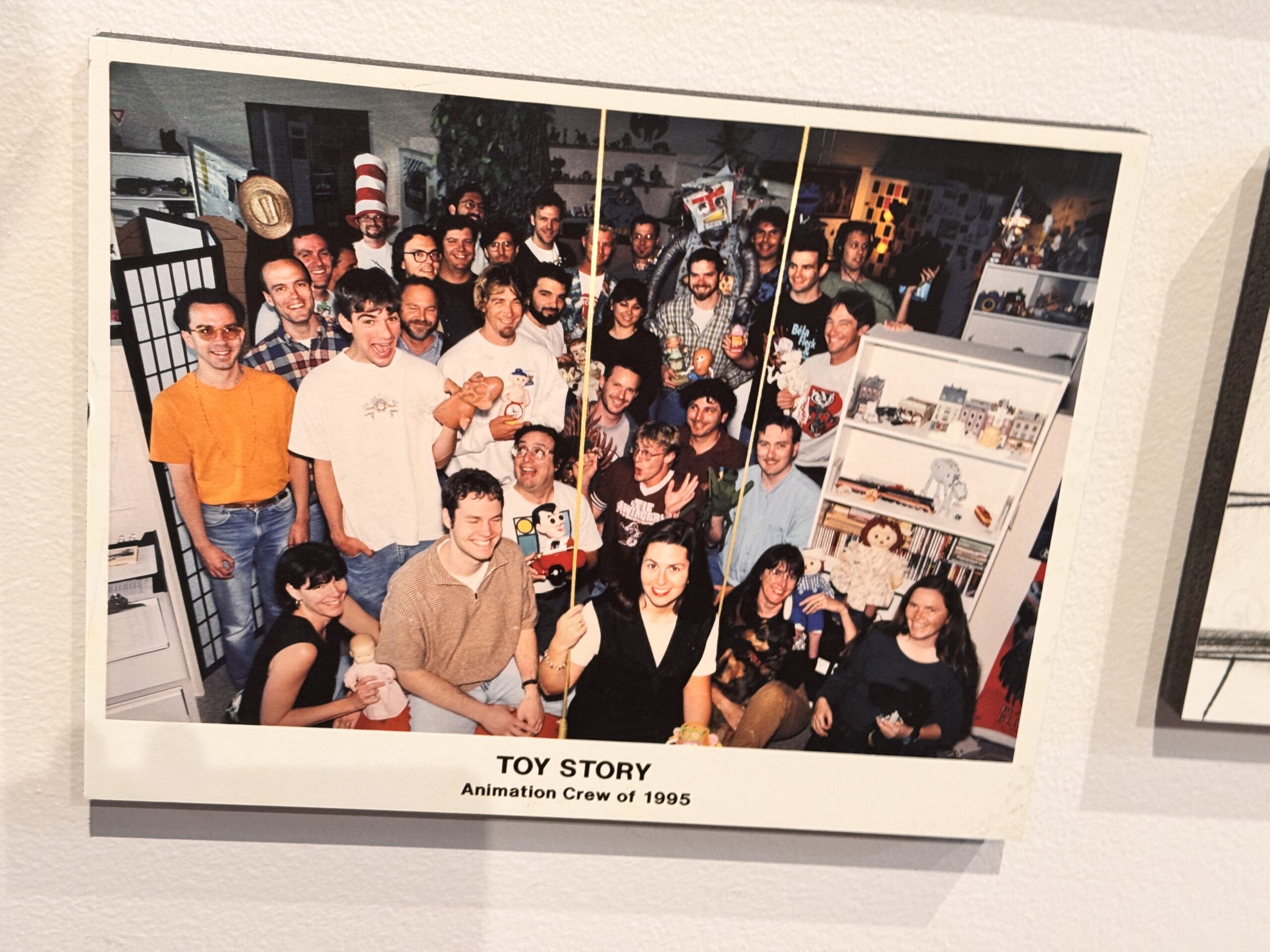
A story that still circulates like a cautionary legend: Toy Story 2 was nearly lost due to an internal deletion error, saved only because one employee on maternity leave had a full backup at home. In a medium that can feel infinitely reproducible, the reality is the opposite: digital work can vanish instantly. Preservation becomes part of the culture.
What a Cinematographer Does in Animation
The animated DP’s work starts well before “lighting.” It begins in conversation: sitting with teams to establish a color language (the animation equivalent of talking gels), defining lens philosophy (anamorphic versus spherical sensibility, aspherical character, distortion tolerance), and pressure-testing how spatial cues will read emotionally.
- Color + “gels” thinking: the emotional temperature of scenes, palette rules, and how highlights should behave.
- Lens language: perspective choices that affect character intimacy, scale, and comedic timing.
- R&D collaboration: deep conversations around spatial awareness, depth cues, and how viewers perceive dimensionality.
- World time: teams spending months in a single environment until the space itself suggests how it wants to be shot.
Performance in the Micro-Details
Animation has its own “on-set” tricks: a repeated stance, a hand shape, a gesture that reads from a distance. Arjun pointed out how small design decisions become consistent character language — like Little Bo Peep’s staff choice and posture signaling clarity and intent.
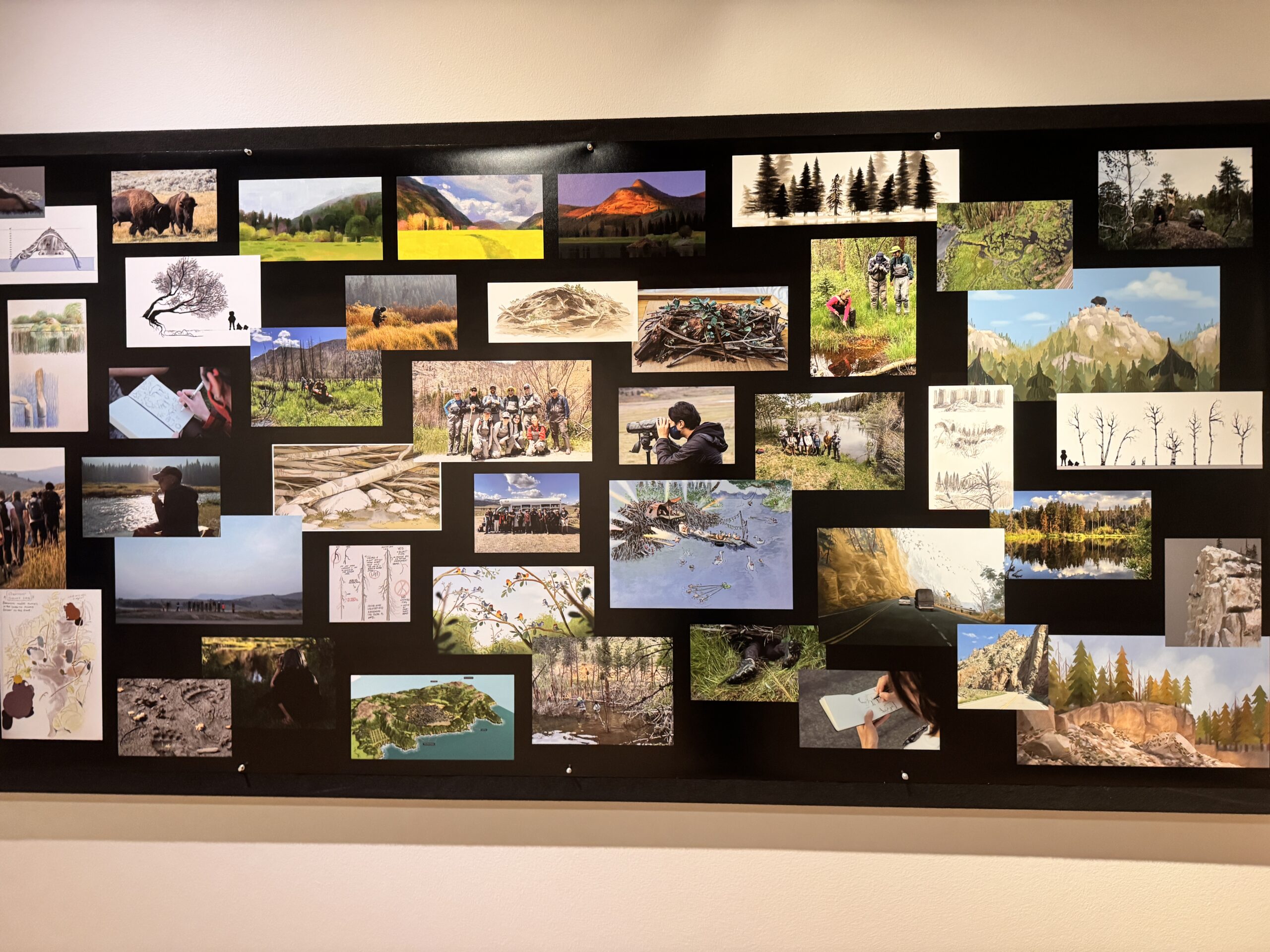
What’s most striking about Pixar’s films today is the depth of research that underpins even the most fleeting moments on screen. Teams spend months and sometimes even years studying real-world behavior, physical materials, environmental physics, and human movement to establish credibility before creative decisions are locked. On Hoppers, this research extends deeply into scale and point-of-view: how weight transfers through a body that moves differently than a human, how fabric or natural materials respond when a character shifts direction, and how posture communicates intention long before dialogue arrives. Wardrobe is designed for how it interacts with motion—where folds catch light, where tension appears, and how restraint or looseness reflects emotional state. Characters carry themselves with purpose; every stance, gesture, and micro-movement is calibrated to reinforce internal emotion through physical logic. The result is a form of realism that isn’t literal, but perceptual—honoring the way audiences instinctively read behavior, balance, and intent, frame by frame.The Evolution: More Tools, More Taste Required
One of the biggest shifts is iteration. Historically, you needed a precise commitment to lighting early. Now Pixar can adjust light with greater flexibility, build complete worlds to scout and conceptualize, and let physically-based sun/sky systems provide realism quickly. But the speed doesn’t solve the shot. It just raises the standard for decision-making.
Will AI Change Pixar?
The consensus from the conversations: AI may accelerate parts of the process, but Pixar’s look is defined by specificity and a heavy attention to specific details. Requiring a deeply human approach to generate the results.
Looking Ahead: Two Films This Year
Toy Story 5 returns to a legacy world that’s grown more photographic with every installment Hoppers, by contrast, signals Pixar’s appetite for new visual challenges in perspective, scale, and realism.
Toy Story 5 — Trailer
Hoppers — Trailer
Leaving the Studio
Pixar left me thinking... these tools will continue to evolve but the craft will always stay rooted in the same principles in guiding an audience through space and emotion with purpose.
The principles are the same as live action: it's all in perspective of creating mood and practicalities to drive the narrative.